

Recently, Xiaomi's first mass-produced car, the Xiaomi SU7, was launched, becoming the center of attention in the industry. Starting at 215,900 yuan, the SU7 offers nine color options, standard long-range battery life, a CLTC range of 700 km, a 0-100 km/h acceleration time of 2.78 seconds, and comes equipped with standard smart driver assistance and end-side large models. Upon its launch, the SU7 was warmly welcomed by consumers, with over 50,000 orders placed in just 27 minutes, and over 70,000 confirmed orders by April 20th.
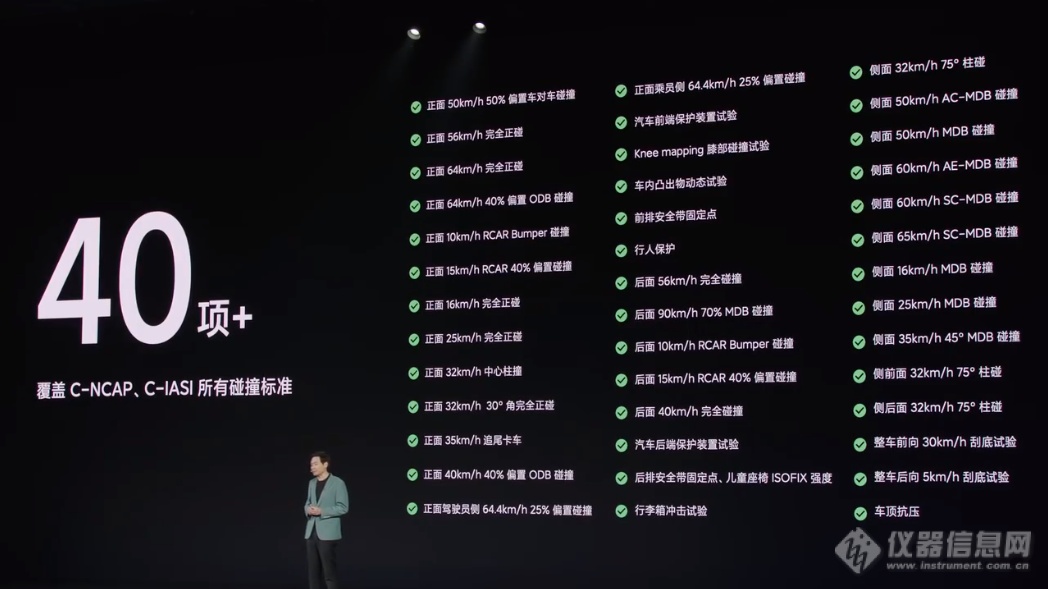
"Building a high-quality sedan," said Lei Jun, founder, chairman, and CEO of Xiaomi Group at the launch event. "Safety comes first." To create a high-quality vehicle, Xiaomi adopted the strictest design and testing standards. The SU7 underwent over 40 crash tests, fully covering three domestic and international testing standards. Xiaomi also employs the industry's highest battery safety standards, achieving full-link coverage. Its CTB integrated battery technology has passed 1,050 safety standard tests, including collision, compression, and fire, which is 20 times the number of national standards.

To fully showcase Xiaomi's high-quality cars, Lei Jun provided a detailed introduction to Xiaomi's car factory in Yizhuang, Beijing. The factory has six core workshops, adding large die-casting and battery workshops to the traditional four processes of stamping, body, painting, and assembly, realizing the autonomous production of integrated large die-casting rear floors and CTB batteries. The factory also houses 29 research and development laboratories and a 2.5 km test track, providing strong support for Xiaomi's car research and development and ensuring product quality and performance.
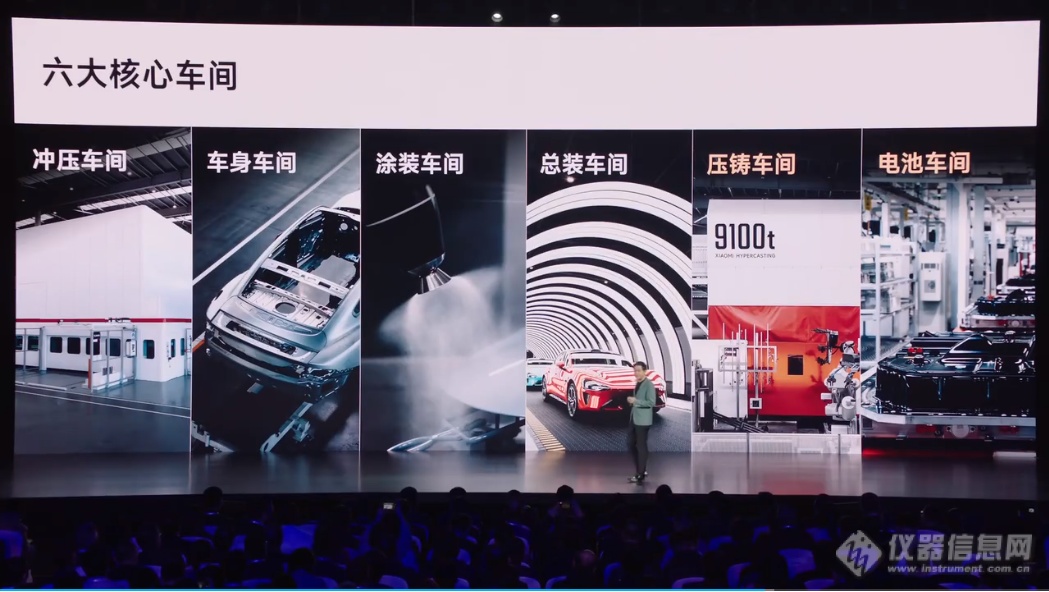
The production line at Xiaomi's car factory boasts a high level of automation and intelligence. For example, the steel-aluminum hybrid body frame uses 269 connection robots for 100% fully automatic assembly, and 36 robots handle the fully automatic assembly and adjustment of the four doors, two lids, and fenders with an assembly precision of 0.5 mm.

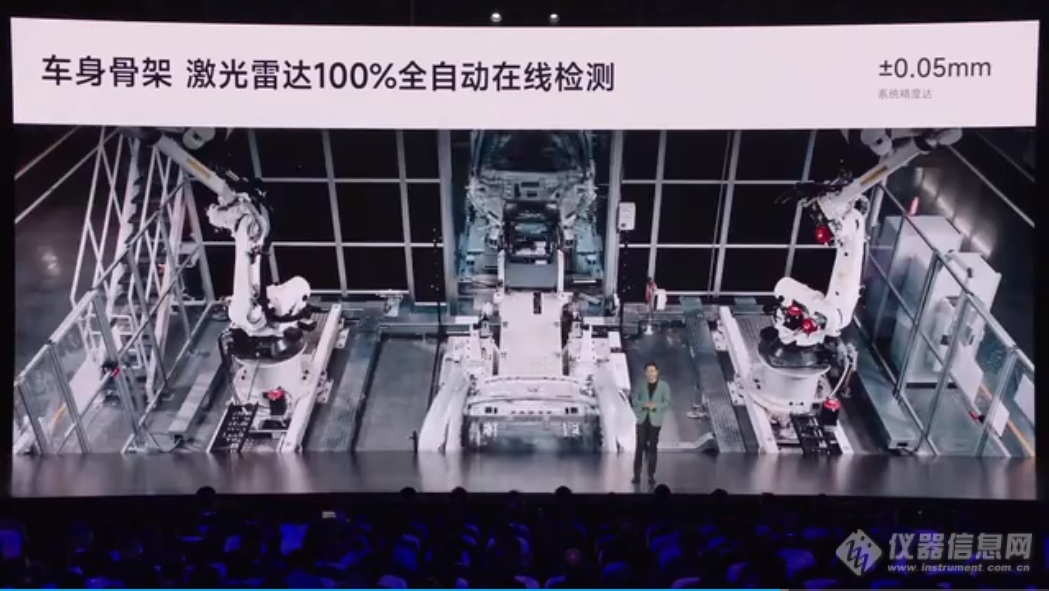
Lei Jun noted that the factory employs comprehensive automated testing, adding an extra layer of assurance to quality. The vehicle exterior undergoes 100% fully automatic online ultraviolet light inspection with a precision of 0.05 mm, the body frame uses 100% fully automatic online lidar inspection with the same precision, and integrated die-casting parts are inspected using X-ray AI detection with 99.9% accuracy and over 20 times the efficiency.
Through in-depth research, it was found that the ultraviolet light online inspection technology comes from the gap and flush measurement system of machine vision solution provider Easyvision. This system precisely measures gaps and flush differences at body exterior mating points, monitors measurement data in real-time, and guides early assembly and later repair processes. By capturing high-quality laser images and employing diverse algorithms, it objectively reflects the actual state of gaps and flush differences, achieving efficient inspection.
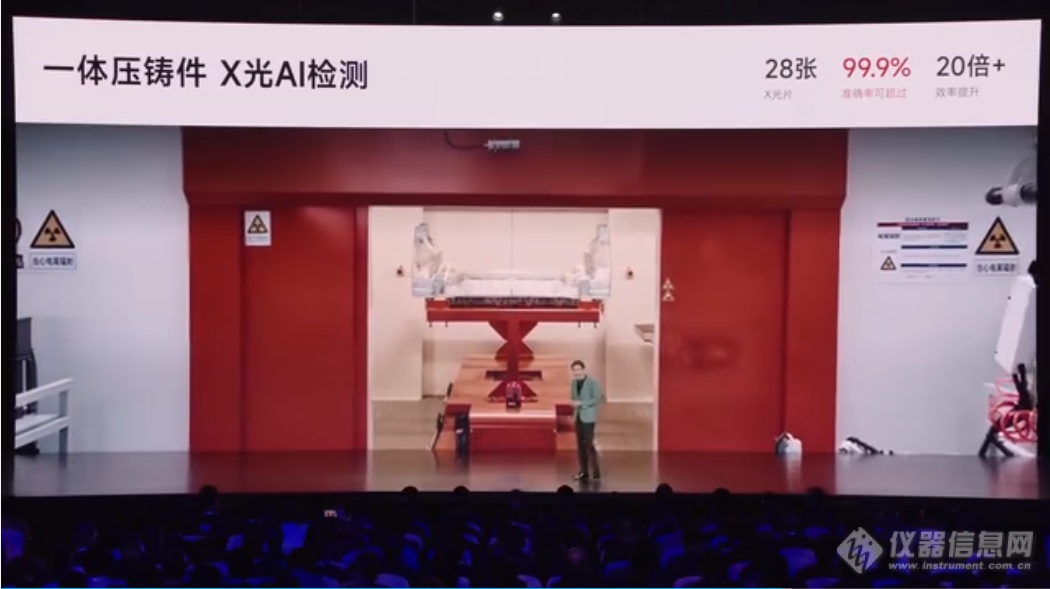
Xiaomi claims that the X-Eye intelligent quality inspection system in the video is self-developed, but based on the equipment's appearance and industry knowledge, it is speculated that the large integrated die-casting X-ray intelligent inspection equipment comes from a leading domestic industrial X-ray company. This X-ray flaw detector automatically takes 28 X-ray photos of each integrated die-casting rear floor, using an AI system to detect internal defects invisible to the human eye.
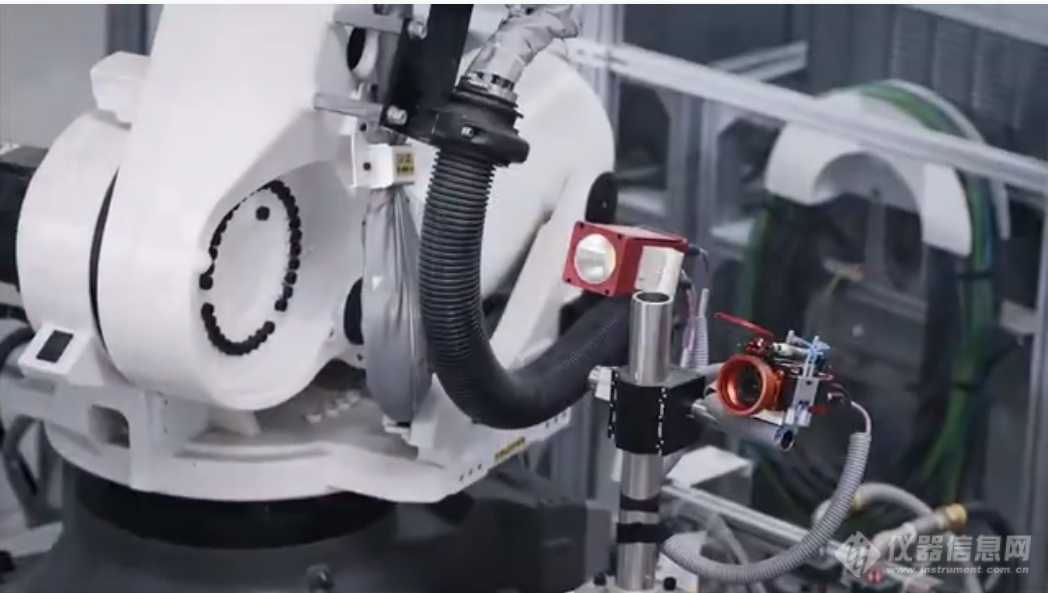
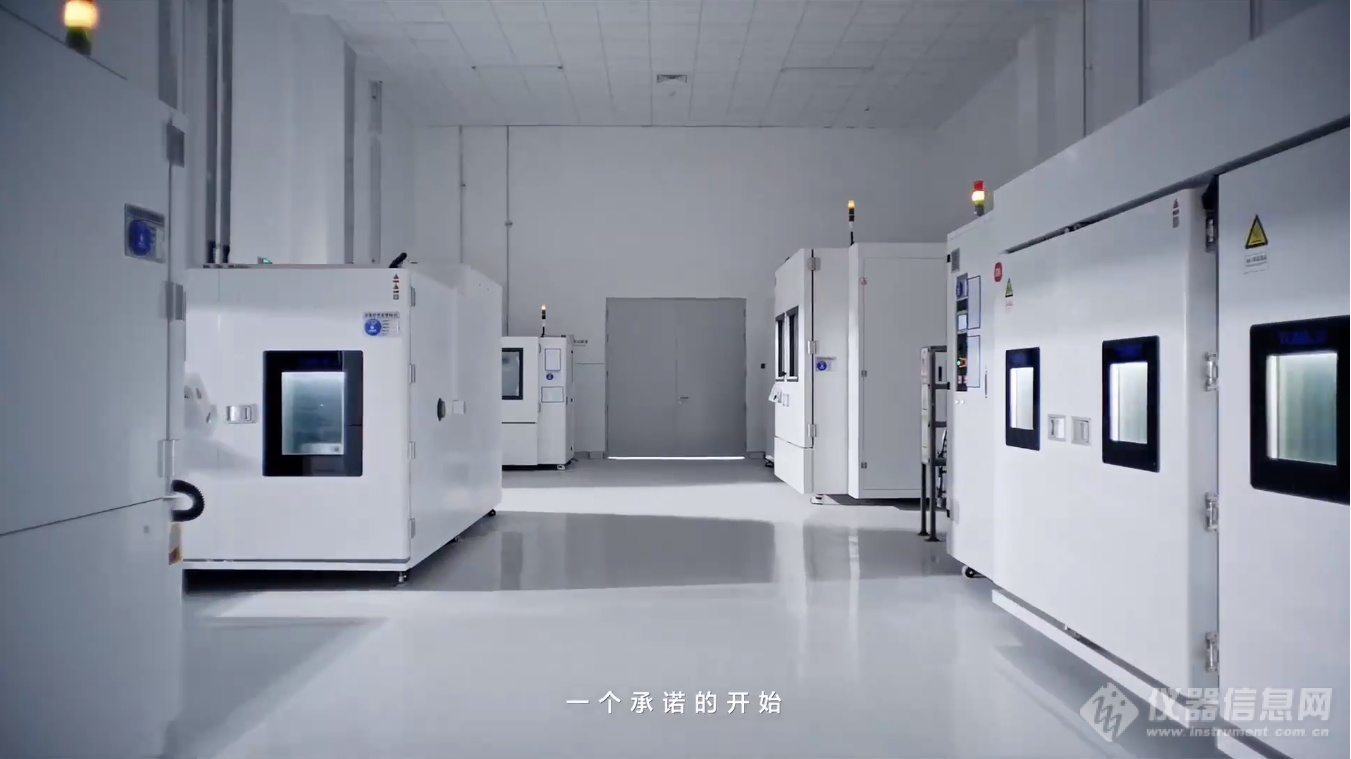
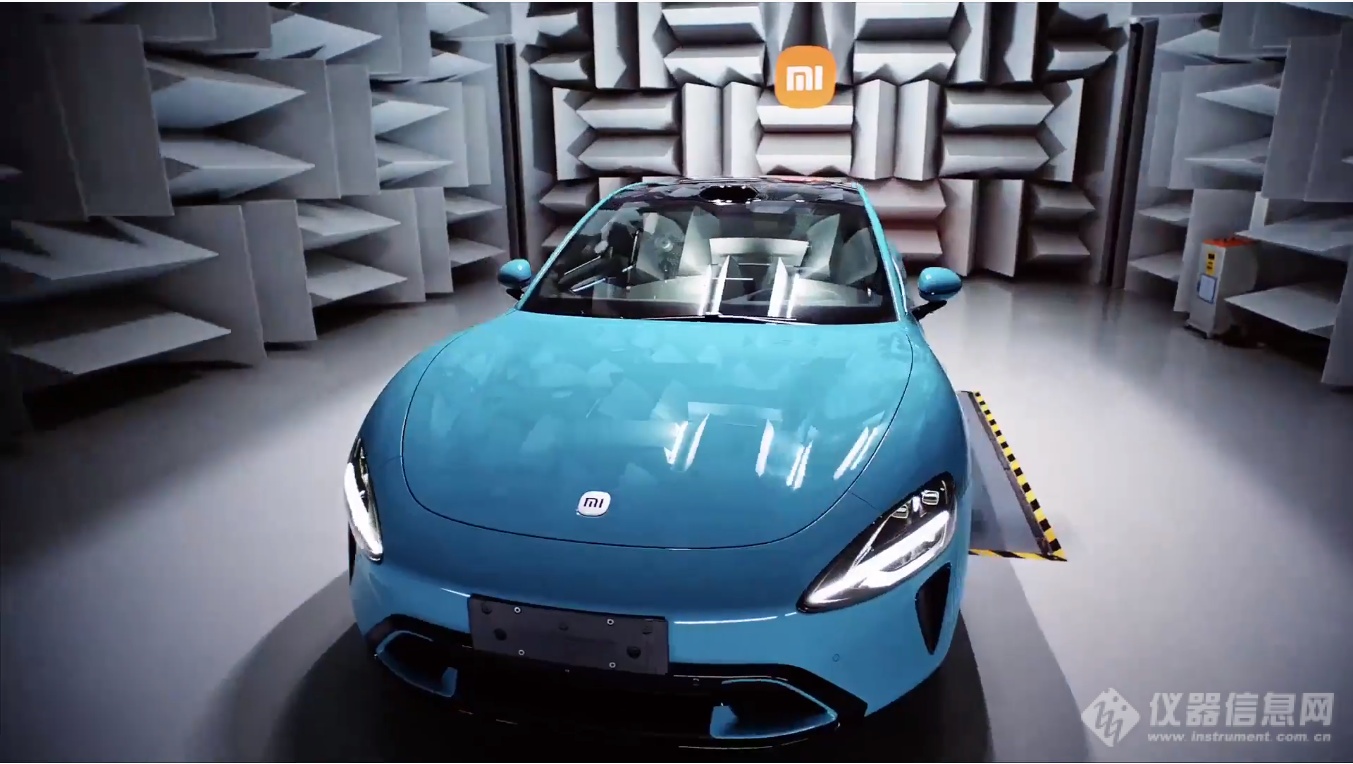
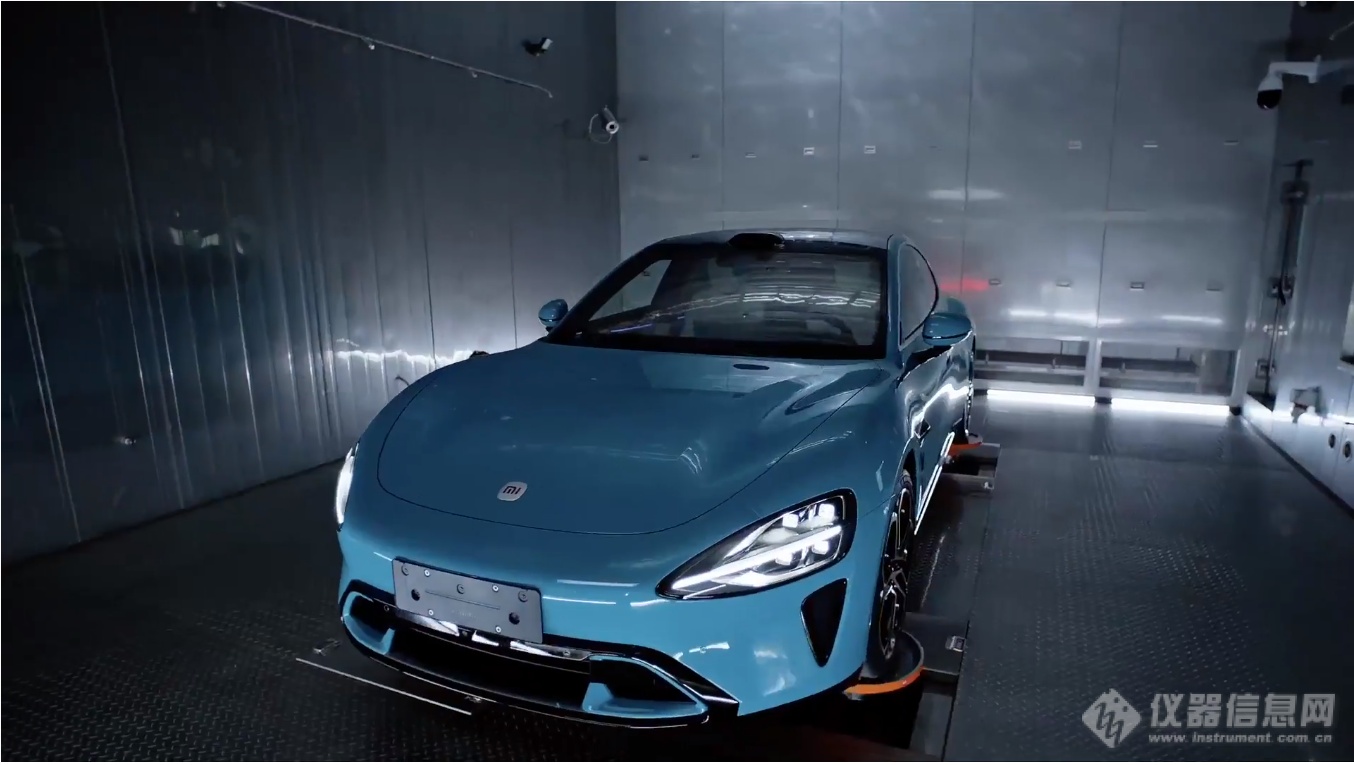
At the launch event, Lei Jun demonstrated Xiaomi's smart factory through a video. The welding workshop also uses Easyvision's vision-guided positioning system for repair welding, achieving high-precision automated welding. The video also showed the environmental test chamber, electromagnetic compatibility laboratory, NVH laboratory, and other vehicle test labs.
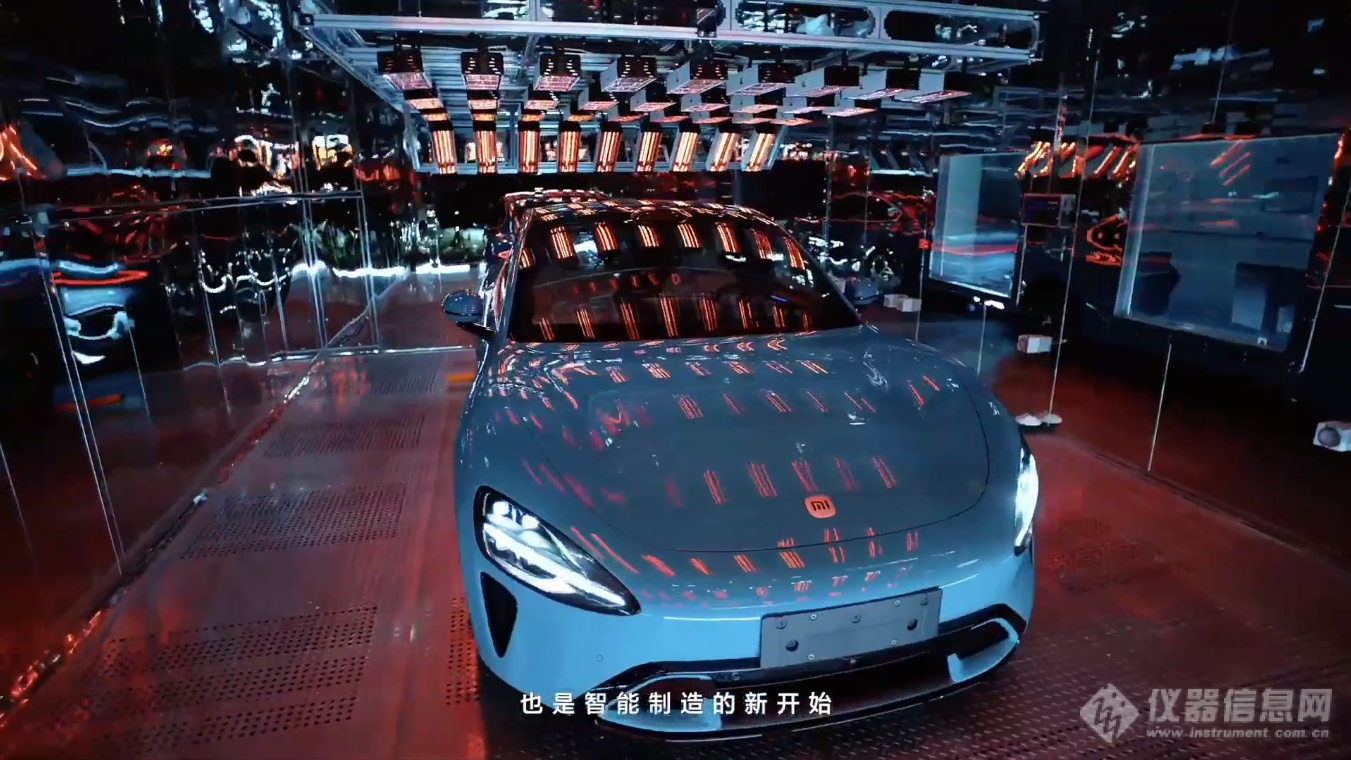
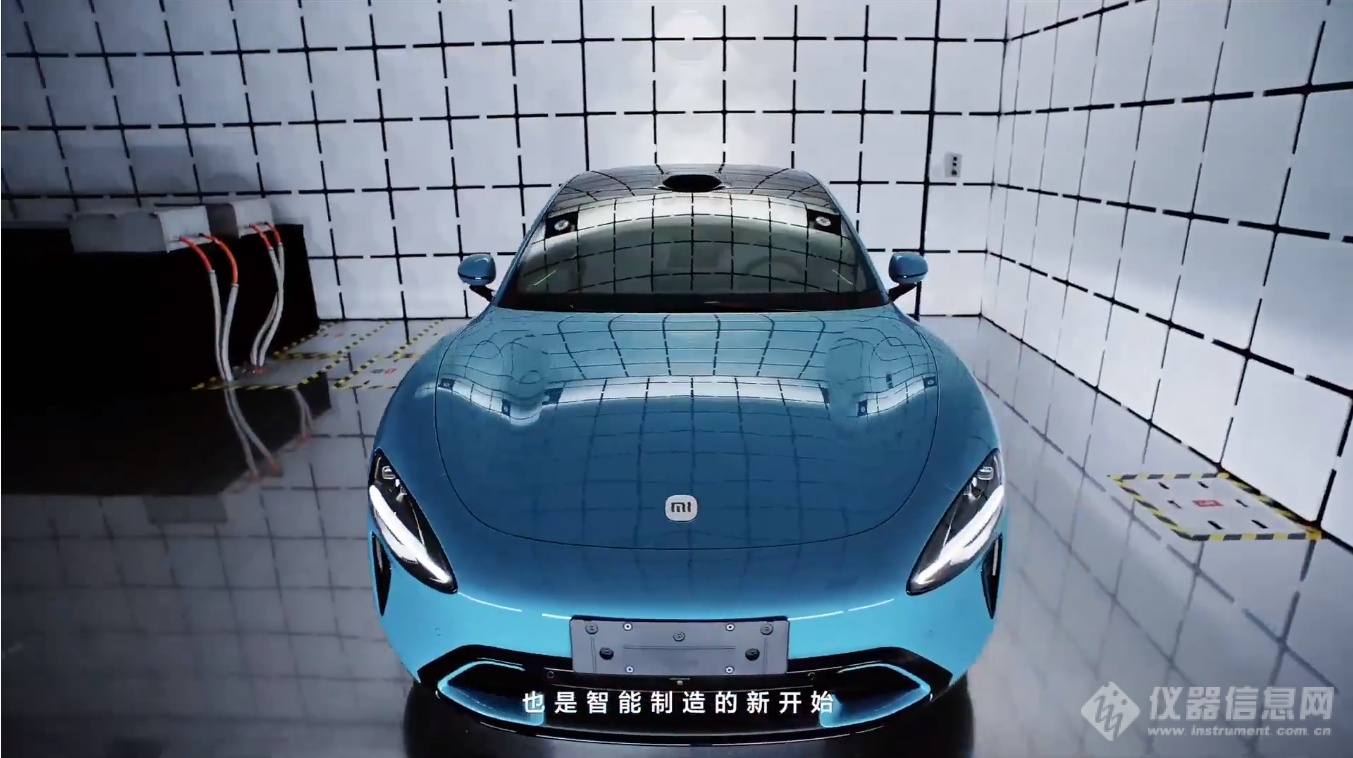
On the eve of the launch event, Lei Jun released a six-episode series, "Take You to See the Car Factory," on a short video platform. In the stamping workshop, newly produced car panels undergo an initial manual inspection before being sent to a blue light inspection point for a more detailed spot check. This process uses advanced blue light inspection technology, which can conduct a comprehensive scan of over 12,000 inspection points on the panels in a short time, achieving a 360-degree omnidirectional inspection with no dead angles.
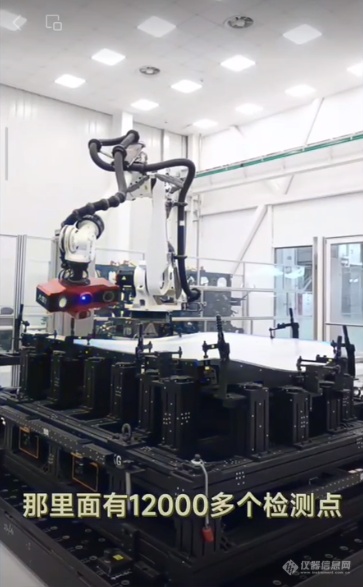
The blue light inspection technology used in Xiaomi's car stamping workshop also comes from Easyvision. This blue light scanning measurement system (also known as a blue light 3D scanner) combines blue light scanning technology with photogrammetry, allowing for automatic scanning of high-density point clouds on workpiece surfaces in conjunction with industrial robots. It utilizes various feature measurement methods to analyze the overall shape of objects, achieving high-precision three-dimensional size measurement.